
Products News


0102030405
How to choose the right AG glass for your display project?
2026-06-29
In today's competitive digital signage, industrial HMI, medical monitor, and consumer electronics markets, selecting the right anti-glare (AG) glass can make or break your display project. Poor choices lead to washed-out images, excessive reflections, reduced readability, and disappointed end users. The right AG glass delivers crisp visuals, enhanced durability, and superior optical performance under any lighting condition.
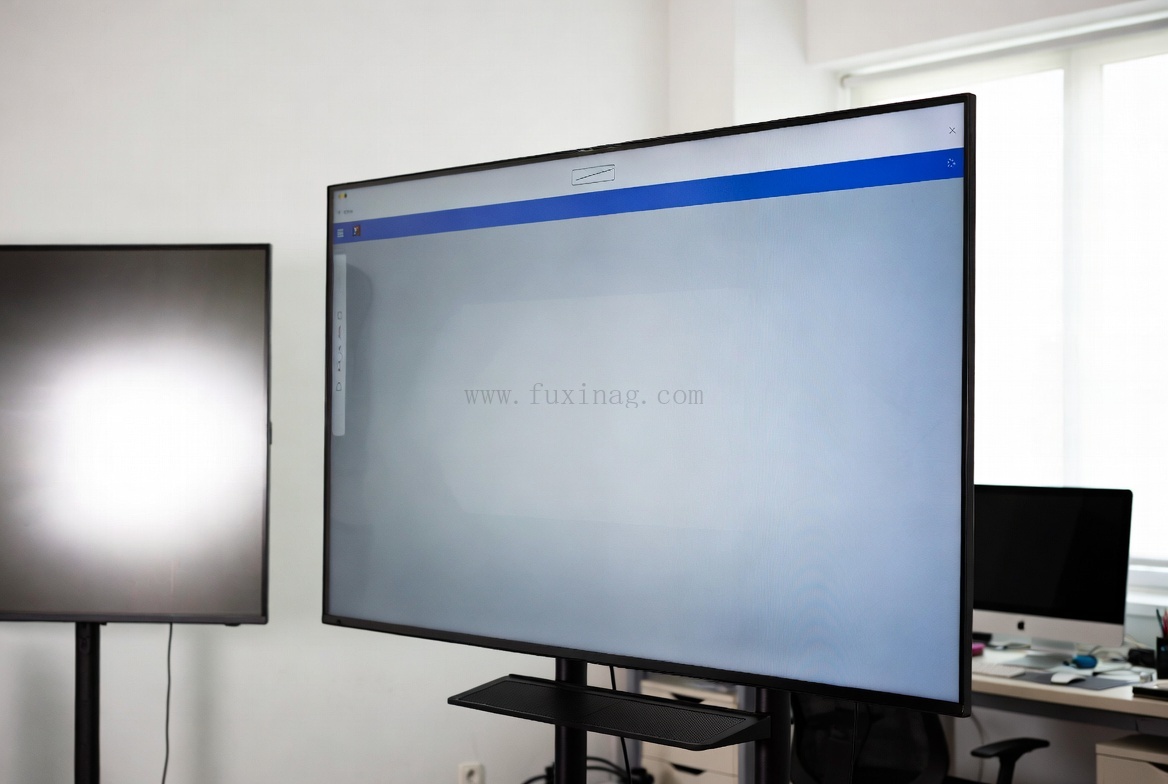
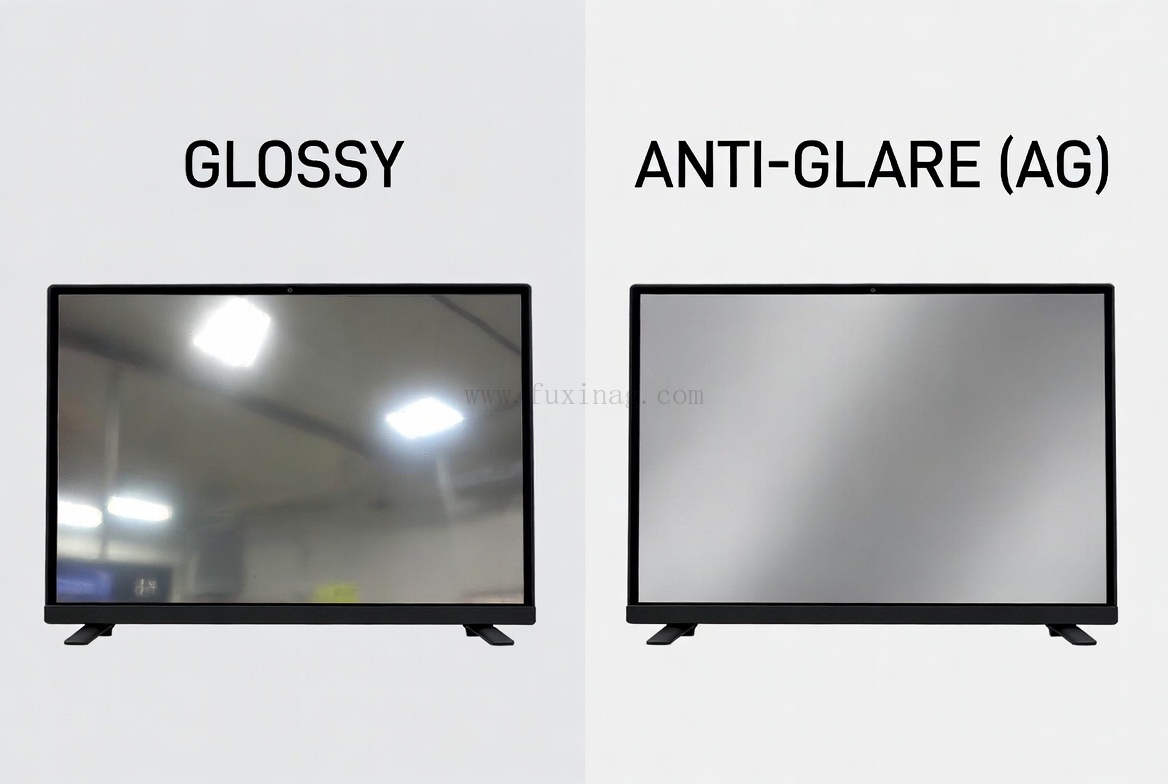
Why Anti-Glare Glass Matters More Than EverModern displays operate in diverse environments — from bright sunlight outdoors to harsh industrial settings and medical facilities with strict hygiene requirements. Standard glass creates annoying reflections that reduce contrast and visibility. High-quality AG glass diffuses reflected light, significantly improving user experience while maintaining excellent light transmission.
Key Factors to Consider When Choosing AG Glass1. Haze and Gloss Level
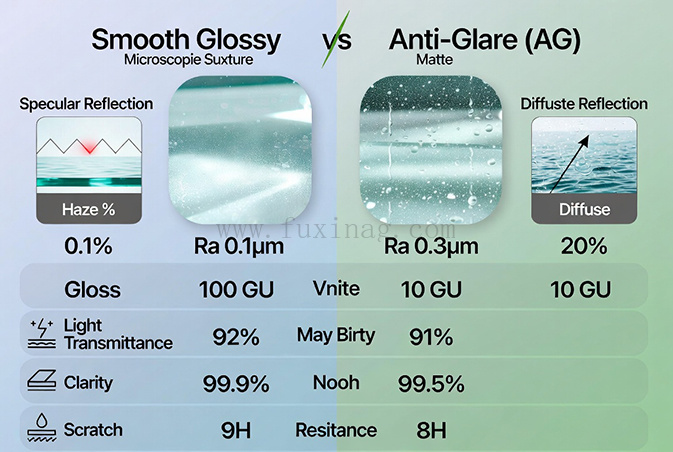
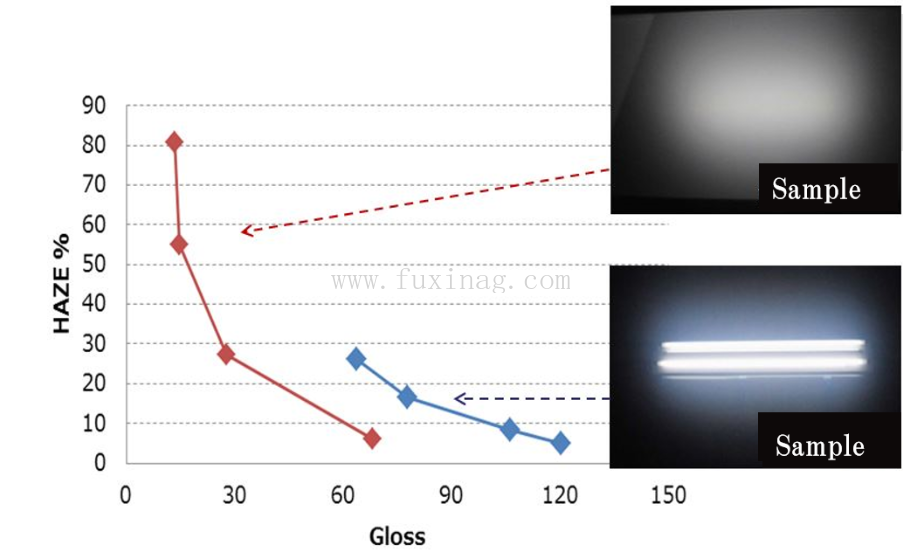
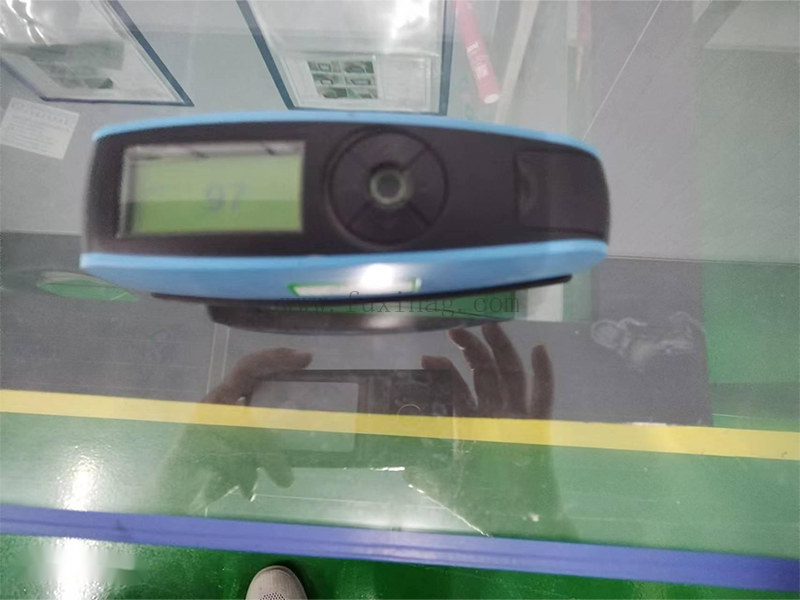
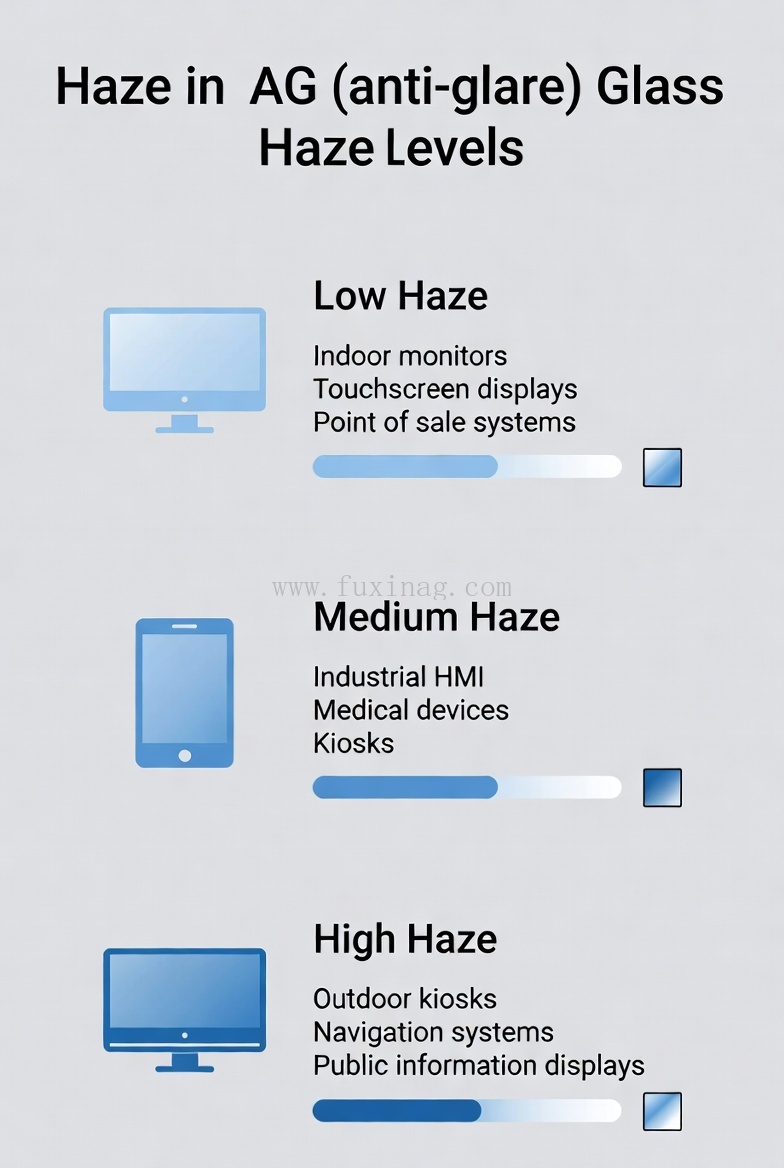
Haze percentage determines the anti-glare effect:
Haze percentage determines the anti-glare effect:
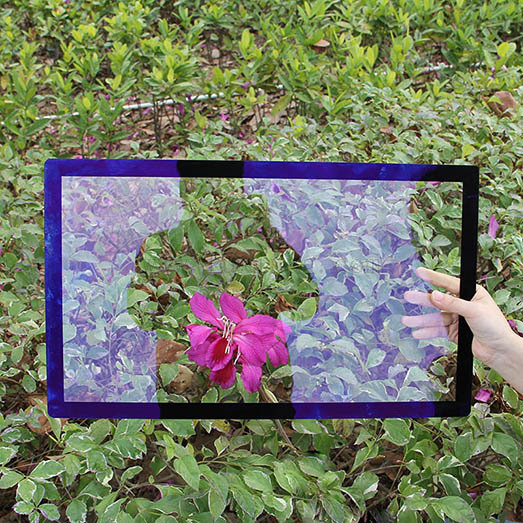
- Low haze (1-5%): Subtle diffusion, ideal for high-resolution indoor displays needing sharp images.
- Medium haze (6-12%): Balanced performance for most commercial and industrial applications.
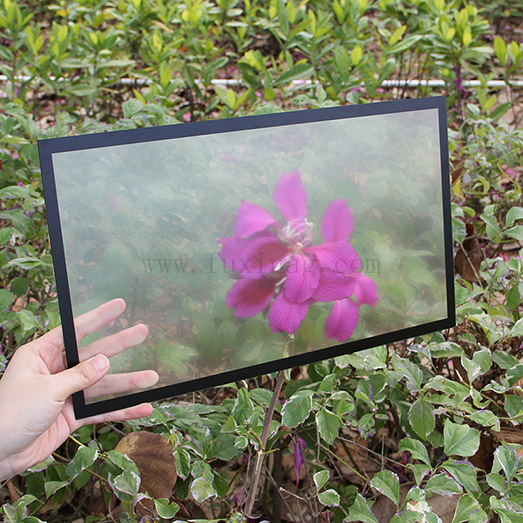
- High haze (13%+): Strong glare reduction for bright outdoor or high-ambient-light environments.
2. Light Transmittance and Clarity
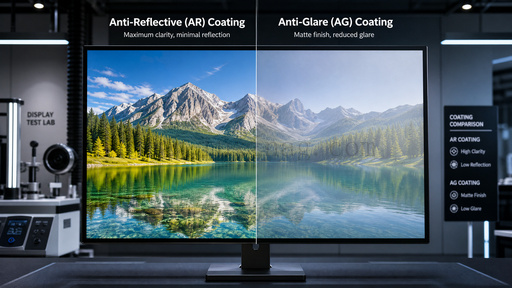
Premium AG glass should maintain 90%+ transmittance. Look for solutions with anti-reflective (AR) coatings combined with AG etching for best results. Avoid cheap alternatives that sacrifice brightness and color accuracy.3. Thickness and Mechanical Strength
Common thicknesses: 0.7mm, 1.1mm, 2mm, 3mm, 4mm, 6mm.
For rugged applications, choose chemically strengthened or tempered AG glass. Consider impact resistance, especially for touch-enabled displays.4. Surface Treatments and Coatings
Premium AG glass should maintain 90%+ transmittance. Look for solutions with anti-reflective (AR) coatings combined with AG etching for best results. Avoid cheap alternatives that sacrifice brightness and color accuracy.3. Thickness and Mechanical Strength
Common thicknesses: 0.7mm, 1.1mm, 2mm, 3mm, 4mm, 6mm.
For rugged applications, choose chemically strengthened or tempered AG glass. Consider impact resistance, especially for touch-enabled displays.4. Surface Treatments and Coatings
- Anti-fingerprint (AF)
- Anti-smudge
- Antimicrobial (critical for medical/hospital use)
- Easy-clean coatings
- UV protection for outdoor projects
5. Custom Size, Shape, and Edge Treatment
Leading suppliers offer precision cutting, CNC edging, silk-screen printing, and full lamination services to match your exact display module.6. Environmental and Compliance Requirements
Leading suppliers offer precision cutting, CNC edging, silk-screen printing, and full lamination services to match your exact display module.6. Environmental and Compliance Requirements
- Operating temperature range
- Humidity resistance
- Salt spray / corrosion resistance (outdoor)
- RoHS, REACH, and industry-specific certifications (medical, automotive, marine)
Common Applications and Recommended AG Glass Specs
- Digital Signage & Kiosks: Medium-high haze, 3-6mm tempered, AR+AG coating.
- Industrial HMIs & Control Panels: High durability, anti-fingerprint, medium haze.
- Medical Displays: Antimicrobial AG glass, high clarity, easy to disinfect.
- Gaming & Consumer Monitors: Low haze for sharp pixel-level detail.
- Outdoor Displays: High haze + UV protection + high-strength lamination.